
Introduction: Why Traffic Rider Still Matters
Traffic Rider blends arcade thrills with precise motorcycle control. Even years after release, its simplicity combined with depth makes it a fantastic playground for players who want immediate fun and a slate of advanced mechanics to master. In this guide, we’ll take you from basic controls to pro-level tricks, all while keeping an eye on coin efficiency, bike selection, and the mental habits that separate casual riders from top scorers. Whether you’re brand-new or chasing leaderboard glory, we’ll walk step-by-step through the skills that matter.
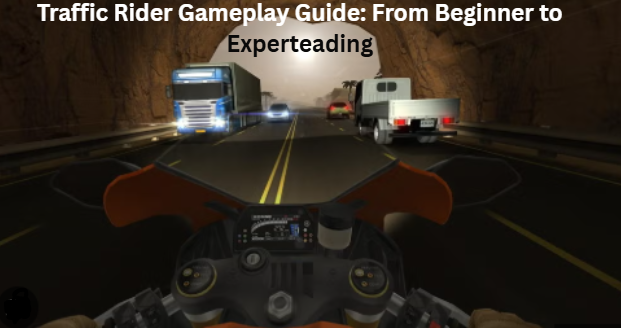
Getting Started: Controls, Interface & Basics
Control Schemes (Tilt, Touch, Buttons)
Traffic Rider allows several input methods. Tilt controls mimic real steering and reward subtlety; touch controls give direct left/right steering that’s easier for precise lane changes; buttons provide predictable responses and are excellent for players who want high consistency. We recommend trying each briefly to see which matches your reflexes. Many top players prefer touch or buttons for tight maneuvers, while tilt suits players who like immersion.
HUD, Meters, and Objectives
The HUD displays speed, nitro, mission progress, and score multipliers. Learn where the meters sit and what they mean at a glance. Speed isn’t everything—mission progress and combo multipliers often deliver more coins than raw velocity. Use the HUD to keep situational awareness; glance, don’t stare.
Choosing Your First Bike: Stats and What They Mean
Speed, Acceleration, Handling, Nitro Capacity
Every bike balances four core stats. High top speed helps in straight stretches but can make control unforgiving. High acceleration gets you up to pace quickly for overtakes. Handling influences how sharply you can weave through traffic; nitro capacity determines how long and how often you can boost. For beginners, a bike with balanced handling and nitro is the best teacher.
Budget vs. Long-Term Investment
Spend early coins on bikes that expand your skill set rather than just the fastest available. A mid-tier bike with better handling will yield longer runs and more coins long-term. Think like an investor: small upgrades to control pay dividends through fewer crashes and steady mission completion.
Fundamentals of Riding: Positioning & Lane Management
Defensive Riding vs. Aggressive Overtakes
We must emphasize positioning. Defensive riding—staying predictable and avoiding sudden moves—reduces crash risk. Aggressive overtakes are necessary to collect coin clusters and finish risky missions, but they should be calculated. When in traffic, scan three to five vehicles ahead; if a truck is blocking lanes, prepare to evade earlier.
Using Mirrors and Anticipating AI Traffic
Traffic Rider’s AI follows patterns. Vehicles rarely swerve without reason. Use rear-view glimpses and patterns (e.g., trucks often maintain lanes) to anticipate openings. Anticipation beats reaction—planning your lane change two vehicles ahead will save more runs than a faster bike.
Mastering Braking and Acceleration
Feathering the Throttle
Feather the throttle to maintain momentum without overshooting gaps. Full throttle is tempting, but sudden speed spikes reduce reaction time. Instead, use subtle acceleration to drift between cars and preserve control.
Brake-Cancel and Momentum Preservation
Learn brief light braking to shift your line and then cancel into acceleration. This small rhythm—brake, reposition, accelerate—lets you sneak through tight spaces while keeping stable speed. Practice this rhythm in low-risk sections until it becomes natural.
Nitrous / Boost: When and How to Use It
Short Bursts vs. Long Holds
Nitro is both an offensive and defensive tool. Short bursts win close overtakes and help escape when boxed in; long holds are useful on long clear stretches where you can rack up distance quickly. We advise using short controlled bursts in traffic and reserving long holds for open highways.
Nitro as Recovery, Not Just Speed
Sometimes a burst of nitro is the best recovery tool after a mistake. If you clip a vehicle and slow, a quick nitro burst can restore speed and get you back into a safe lane. Treat nitro like insurance—don’t burn it early for vanity runs.
Scoring, Missions & Objectives — How to Farm Coins
Mission Prioritization
Complete easier missions first: distance, simple overtakes, and time-based tasks. These reliably reward coins with lower crash risk. Save the riskier missions—like passing close to a specific vehicle—for when you’ve practiced the required technique.
Combo Mechanics and Multiplier Strategies
Combos are earned by passing multiple cars quickly without crashing. The multiplier increases coin yield dramatically. Focus on chains of safe overtakes: plan a route through two lanes where you can pass 3–6 cars consecutively, then collect the multiplier. Practice linking small combos into longer ones.
Upgrades and Customization: Where to Spend Coins
Prioritizing Upgrades for Endless vs. Story Modes
Endless mode benefits most from nitro capacity and handling upgrades to prolong runs. Story or mission modes often reward speed and acceleration to meet specific tasks. We recommend upgrading handling and nitro early, then adding speed once your survival rate improves.
Cosmetic Choices That Matter (Visibility, Feel)
Though cosmetics don’t change performance, they affect perception. A bright bike improves visual tracking in traffic; different camera skins or view options may affect how you judge distance. Choose cosmetics that help you see, not just what looks cool.
Advanced Techniques: Sliding, Weaving & Micro-Steering
Controlled Slides for Coin Clusters
Sliding (brief controlled lateral drifts) can help scrape coin clusters positioned between vehicles. It’s high-skill but high-reward. Start slow—practise sliding at low speeds then scale up.
Micro-Adjustments to Avoid Collisions
Micro-steering means making millimeter-scale inputs to maintain trajectory. Think of it as thread-the-needle driving: tiny adjustments are often safer than large swerves that can land you in the next vehicle.
Bike Selection for Pro Players: Meta Picks
Best Bikes for Speed Runs, Coin Farming, and Missions
Pro players pick bikes based on role: speed runs favor high top speed and acceleration bikes; coin farming favors exceptional handling and nitro capacity; tricky missions may require heavy handling and balanced speed. Keep a garage of role-specialized bikes and swap based on objective.
Endurance Runs & Endless Mode Strategy
Energy Management and Mental Stamina
Endless is a marathon. We advise sessions of 20–45 minutes with micro-goals (e.g., beat your last high-combo run). Mental fatigue kills reaction time, so take breaks between attempts. Use playlists or short practice loops to warm up before longer runs.
Common Mistakes and How to Fix Them
Over-Boosting, Tunnel Vision, Ignoring Upgrades
Common errors include burning nitro early, focusing too narrowly on a coin cluster (tunnel vision), and neglecting incremental upgrades. Fixes: save boost for recovery, constantly scan and widen focus, and adopt a steady upgrade plan.
Practice Routines to Improve Fast
Drills, Warm-Ups, and Challenge Runs
Warm up with 5-minute low-stakes runs focusing only on lane changes. Do drill sessions where you aim to finish 10 runs without crashing. For advanced players, set micro-challenges: e.g., 30 consecutive single-lane overtakes, or a run with exactly one nitro use.
Multiplayer, Leaderboards & Social Play
Using Leaderboards to Learn from Top Players
Study replays and leaderboard profiles when available. Top players show patterns: preferred bikes, repeatable lines through traffic, and nitro patterns. Emulate their lines and adapt to your control style.
Accessibility Tips & Settings Tweaks
Control Sensitivity, Visual Settings, and Sound Cues
Adjust sensitivity for smoother steering, increase contrast to spot vehicles sooner, and use audio cues (engine hum, traffic sounds) to time passes. Simple tweaks often yield immediate improvements.
Conclusion: From Beginner to Confident Pro
Traffic Rider rewards patience and incremental improvement. Start with balanced bikes, learn to manage nitro and combos, and progress to advanced techniques like sliding and micro-steering. We’ve covered the mechanics, mental habits, and upgrade decisions that turn casual riders into skilled players. Commit to focused practice sessions, prioritize handling and nitro upgrades, and keep learning from leaderboards — you’ll see consistent gains. Ride smart, not just fast.
| ## FAQs
| Q1: Which control scheme is best for beginners?
We recommend starting with touch or buttons. They deliver consistent, predictable input that makes learning lane changes and micro-steering easier than tilt controls. Once comfortable, try tilt for a different feel.
| Q2: Should I upgrade speed first or handling?
Upgrade handling first, then nitro capacity. Handling reduces crash frequency, which in turn increases coin income—speed comes later once you can survive longer runs.
| Q3: How do I build combo multipliers reliably?
Plan a lane where you can pass several cars in quick succession. Use short nitro bursts to close gaps and practice micro-steering so you can maintain safe spacing while chaining passes.
| Q4: Is nitro better used early or saved?
Save nitro as an insurance tool. Use short bursts in traffic and longer holds in clear stretches. Don’t burn your nitro at the start of a run unless you know the upcoming environment is safe.
| Q5: How often should I switch bikes?
Switch bikes based on objective. For general improvement, rotate between a handling-focused bike for practice, a medium bike for missions, and a top-speed bike for challenges. Over time, you’ll know which bike suits which task. |