
Introduction to the Game
In the vast world of mobile gaming, racing games have always held a special place. But with so many options available, finding a game that truly captures the thrill of real-life motorbike racing can be challenging. Traffic Rider, developed by Soner Kara, claims to offer a realistic, first-person riding experience that sets it apart from other mobile racing games. In this article, we explore why Traffic Rider might just be the ultimate mobile racing experience.
Introduction to Traffic Rider
Traffic Rider’s Launch and Impact
Released in 2016, Traffic Rider quickly gained attention for its immersive gameplay and realistic motorbike mechanics. Unlike typical racing games that focus solely on speed, Traffic Rider emphasizes realistic traffic interactions, bike handling, and first-person immersion. Its unique blend of arcade excitement and simulation elements makes it a must-try for racing enthusiasts.
The Evolution of Mobile Racing Games
Overview of Game Evolution
To appreciate Traffic Rider’s impact, we must look back at the evolution of mobile racing games.
Early Mobile Racing Experiences
Early mobile racing games were simple, often 2D, and relied on basic controls. Games like Need for Speed: Shift for mobile or Asphalt 5 offered entertainment but lacked true realism. Players could accelerate, drift, and crash, but the sensation of actually riding a bike was minimal.
Transition to 3D Racing Environments
As technology improved, developers introduced 3D graphics and physics engines. These advancements allowed for realistic environments, traffic systems, and vehicle dynamics, paving the way for games like Traffic Rider to feel genuinely immersive.
Why Traffic Rider Stands Out
Realistic Physics and Controls
One of Traffic Rider’s strongest points is its physics engine. Bikes respond to acceleration, braking, and cornering in a way that closely mimics real-world mechanics. Players can lean into turns, feel the weight of the bike, and manage speed carefully—something missing from most mobile racing titles.
Immersive First-Person Perspective
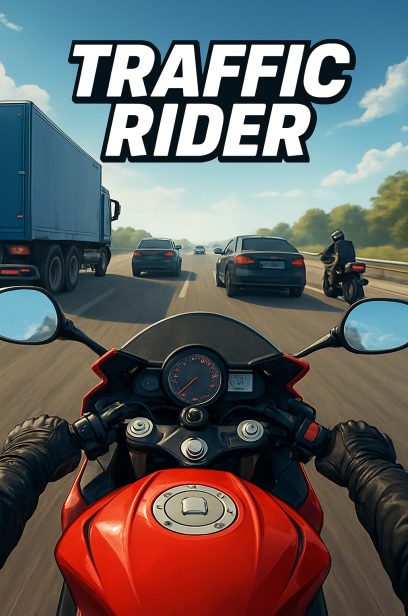
Unlike traditional third-person racing games, Traffic Rider offers a first-person camera view. This perspective increases immersion, letting players experience the thrill of weaving through traffic at high speeds as if they were on an actual bike.
Wide Variety of Bikes
From sports bikes to cruisers, Traffic Rider offers a diverse collection of motorcycles, each with unique speed, acceleration, and handling characteristics. This diversity allows players to pick bikes that suit their racing style.
Customization Options and Upgrades
Players can upgrade bikes to improve performance, tweak handling, and enhance aesthetics. Customization adds depth, making players feel connected to their virtual rides.
Game Modes in Traffic Rider
Overview of Modes
Traffic Rider isn’t just about casual rides; it offers multiple modes to challenge and engage players.
Career Mode
Players start their journey in Career Mode, completing missions, earning money, and unlocking new bikes. Each mission introduces traffic challenges and objectives, encouraging strategic riding.
Endless Mode
Endless Mode is pure adrenaline. Players ride as long as possible, dodging traffic, collecting points, and testing their reflexes. This mode emphasizes skill and precision, perfect for players seeking an intense experience.
Challenge Mode
Challenge Mode adds variety with specific goals like time trials, overtaking targets, or speed challenges. It’s ideal for those who want structured gameplay with measurable progress.
Traffic and Environment Realism
Dynamic Traffic Patterns
Cars, trucks, and buses follow realistic patterns. Players must anticipate traffic movement, lane changes, and braking, adding a layer of strategic decision-making.
Weather and Day-Night Cycles
Environmental effects like rain, fog, and night riding enhance realism. Wet roads affect bike handling, while night riding challenges visibility, keeping gameplay engaging and unpredictable.
Sound and Visual Experience
Engine Sounds and Ambient Effects
Each bike produces distinct engine sounds, from low rumbles to high-speed whines. Coupled with ambient traffic noise, the game creates a convincing auditory experience.
Graphics and Road Textures
High-quality graphics, detailed road textures, and scenic environments make every ride visually appealing. The developers paid attention to road markings, surroundings, and vehicle models, enhancing immersion.
Gameplay Mechanics and Tips
Mastering Overtakes
Precision is key when overtaking. Timing, speed control, and predicting traffic behavior are crucial to avoid collisions and maintain momentum.
Boost and Nitro Usage
Strategic use of boosts or nitro can help navigate challenging situations or achieve higher scores. Overuse, however, can lead to loss of control, adding a tactical element.
Avoiding Collisions
The game penalizes crashes, so players must stay alert, anticipate traffic, and make quick decisions. Smooth maneuvering is more effective than reckless speed.
Comparisons with Other Racing Games
Traffic Rider vs Real Racing 3
While Real Racing 3 emphasizes car realism and detailed tracks, Traffic Rider focuses on motorbike physics and first-person immersion, giving a more intense on-road experience.
Traffic Rider vs Asphalt Series
Asphalt games offer flashy visuals and arcade-style gameplay, but Traffic Rider’s realistic traffic patterns and physics provide a more grounded and thrilling experience.
Monetization and In-App Purchases
Unlocking Bikes Efficiently
Players can either grind missions or purchase coins to unlock premium bikes faster. Efficient in-game earning strategies can reduce the need for spending.
Cost vs Experience Balance
The game remains enjoyable without spending money, but in-app purchases enhance convenience and access to higher-end bikes.
Why Players Love Traffic Rider
Replayability and Engagement
The variety of missions, modes, and bike choices ensures high replay value. Players can keep challenging themselves to beat high scores and master tricky routes.
Sense of Speed and Thrill
Few games capture the adrenaline rush of high-speed traffic navigation like Traffic Rider. The first-person view amplifies the sensation of speed and excitement.
Criticisms and Limitations
AI and Traffic Predictability
At higher levels, some players notice predictable traffic behavior, slightly reducing challenge.
Limited Multiplayer Options
The lack of real-time multiplayer limits competitive play against friends, though leaderboards still provide social engagement.
Updates and Future Prospects
Ongoing Improvements
The developers actively maintain the game, releasing updates that improve graphics, physics, and bikes. Community feedback continues to shape new features, ensuring longevity.
Conclusion
Final Thoughts
Traffic Rider is more than just a mobile racing game. Its realistic physics, first-person immersion, and dynamic traffic create an unparalleled riding experience. Whether you’re a casual gamer or a motorbike enthusiast, Traffic Rider offers thrills, challenges, and a sense of speed unmatched by most mobile games. It’s a true testament to how far mobile racing games have come.