
Traffic Rider has earned a massive fanbase among racing lovers thanks to its fast-paced action, realistic traffic conditions, and addictive gameplay. But whether you are just starting out or already an experienced rider, certain mistakes can slow your progress, cost you points, and make missions harder than they need to be. In this guide, we break down the 7 most common mistakes Traffic Rider players make and show you exactly how to fix them.
Introduction to Traffic Rider Gameplay
Traffic Rider is far more than simply revving your engine and racing forward. It challenges your reflexes, decision-making, and ability to read traffic patterns. Successful players understand how speed, timing, and control work together. Before exploring the common mistakes, it’s crucial to have a solid grasp of the game’s mechanics.
Mistake 1: Ignoring Bike Upgrades
A surprising number of players underestimate how important bike upgrades are. Skipping upgrades makes even the easier missions unnecessarily difficult and limits your ability to progress efficiently.
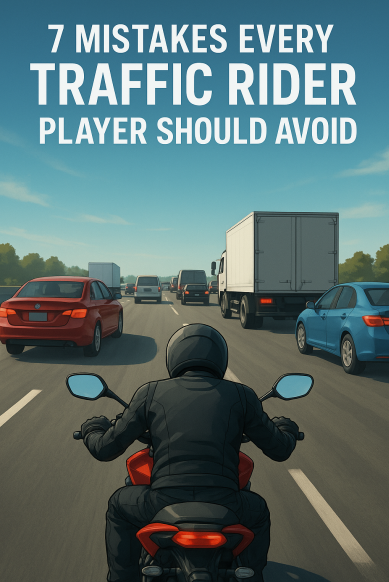
Why Upgrades Matter
Upgrading boosts your bike’s speed, handling, and acceleration — key factors for navigating heavy traffic and completing missions smoothly. Think of upgrades as tuning a high-performance sports bike: the better the setup, the easier the ride.
How to Prioritize Upgrades
Start by upgrading the bikes you use the most. In the early stages, acceleration and handling matter more than top speed. Aim for a balanced upgrade approach: speed helps in high-distance missions, while handling is crucial for tight traffic.
Mistake 2: Overusing Nitrous at the Wrong Time
Nitrous looks exciting and powerful, but using it carelessly can lead to avoidable crashes and wasted boosts.
Understanding Nitrous Mechanics
Nitrous gives a temporary but intense speed boost. Using it at the wrong moment — especially in packed traffic — can cause instant collisions or missed opportunities.
Best Practices for Nitrous Use
Reserve your nitrous for long straight routes or moments when you’re overtaking multiple vehicles. Avoid using it near obstacles, lane merges, or heavy traffic zones. Proper timing can turn nitrous into your most valuable asset.
Mistake 3: Neglecting Traffic Awareness
Traffic Rider isn’t just about going fast — it’s about staying alive. Failing to pay attention to the vehicles around you is one of the fastest ways to crash.
Reading the Road
Predict traffic flow by observing how cars behave. Some cars change lanes suddenly, while others slow down without warning. Anticipating their movements helps you dodge crashes before they happen.
Common Traffic Patterns to Watch For
Look out for:
- Traffic buildups
- Large trucks that move slowly
- Motorcycles weaving between lanes
Identifying these early keeps you safe and helps you maintain speed.
Mistake 4: Sticking to Only One Bike
Many players grow attached to one bike and use it for every mission. While familiarity is comforting, this habit limits your performance.
Benefits of Experimenting with Multiple Bikes
Different bikes excel at different tasks. Some offer fast acceleration, others provide better stability or superior nitrous efficiency. Testing multiple bikes helps you choose the right tool for each mission.
Finding the Bike That Fits Your Style
Match your bike’s strengths to how you play. If you like aggressive speed, choose high-acceleration bikes. If you prefer safe, controlled riding, select bikes with better balance and handling.
Mistake 5: Ignoring Missions and Challenges
Skipping missions may seem like a shortcut, but it actually slows long-term progress.
Why Missions Boost Skills
Missions teach essential skills like advanced lane switching, nitrous timing, and smart overtaking. These challenges prepare you for tougher levels and reward you with bonuses.
Tips for Completing Challenges Efficiently
Start slowly, observe traffic, and focus on one target at a time. Use upgrades wisely and save nitrous for the right moments.
Mistake 6: Poor Lane Switching Techniques
Lane switching is one of the most important mechanics in Traffic Rider. Bad timing can lead to instant crashes.
Timing is Everything
Only switch lanes when there’s enough space. Predict how nearby vehicles will move next. A rushed lane change can ruin an otherwise perfect run.
How to Perfect Lane Switching
Practice making smooth, controlled lane shifts instead of sudden swerves. Riding near lane edges gives you more flexibility when maneuvering through tight traffic.
Mistake 7: Focusing Only on High Speed
Many players assume that faster is always better. But speed without control is one of the biggest reasons players fail missions.
Balancing Speed and Control
High speed is thrilling, but it reduces your reaction time. Balance your acceleration with proper braking and intentional lane switching to stay in control.
Understanding When to Slow Down
Reduce speed near:
- Heavy traffic
- Sharp curves
- Obstacle-filled routes
Sometimes slowing down is the key to staying in the game longer.
Conclusion
Mastering Traffic Rider is a blend of speed, strategy, and precision. By avoiding these seven common mistakes — ignoring upgrades, misusing nitrous, overlooking traffic, sticking to one bike, skipping missions, poor lane switching, and focusing only on speed — you can dramatically boost your performance. Apply these tips consistently to ride smarter, safer, and reach new high scores with confidence.
FAQs
Q1: Which bike is best for beginners in Traffic Rider?
A: Bikes with balanced handling and moderate acceleration are ideal for new players.
Q2: How often should I upgrade my bike?
A: Upgrade gradually, starting with acceleration and handling for better control.
Q3: When is the best time to use nitrous?
A: Use it on open, straight roads or when overtaking multiple vehicles — never in heavy traffic.
Q4: Are missions really necessary?
A: Yes. Missions improve your skills, unlock rewards, and make the game more enjoyable.
Q5: Can focusing only on speed affect progress?
A: Definitely. Without control, speed leads to crashes and wasted points.